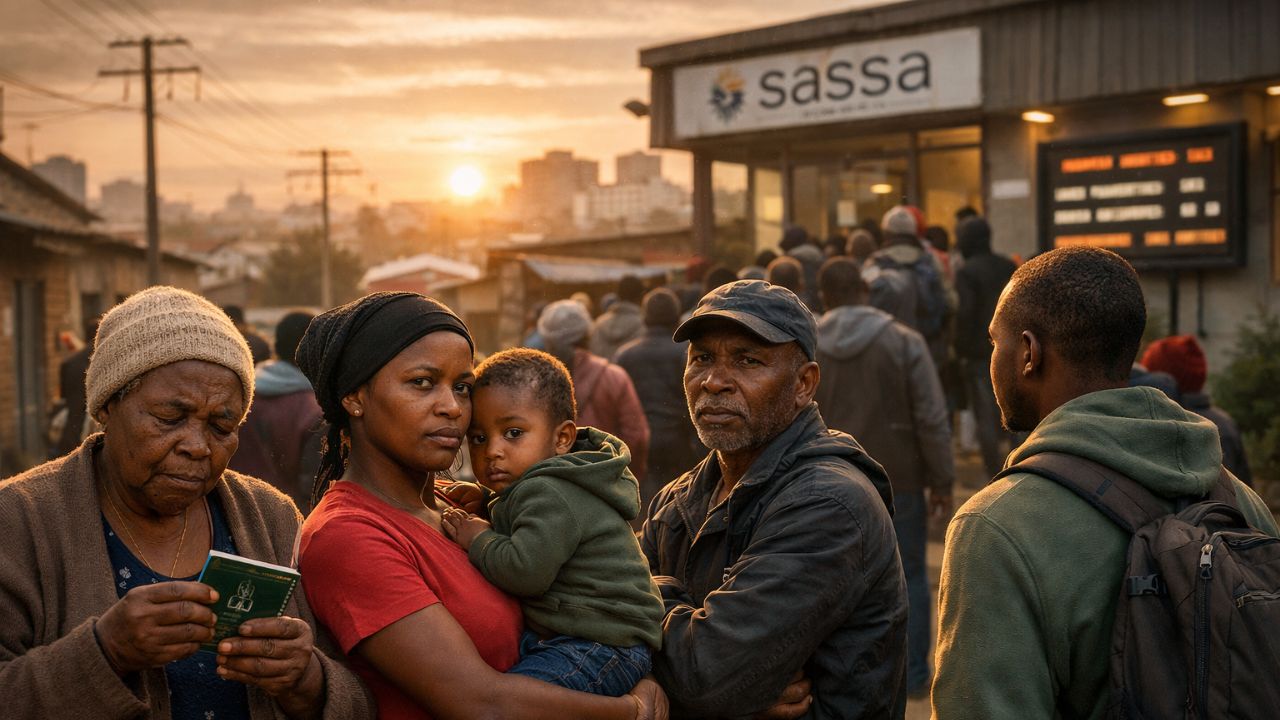
South Africa is entering a new phase of social grant administration as SASSA moves away from traditional, paper-based verification. The shift to a nationwide digital verification system aims to simplify how beneficiaries confirm their eligibility, reducing long queues and repeated in-person visits. This change affects millions of grant recipients across the country, from older persons to child support beneficiaries. By using secure digital tools, the government hopes to speed up reviews, minimize errors, and ensure grants reach the right people faster while improving overall efficiency.

Digital SASSA Verification Replaces Manual Checks
The introduction of digital SASSA verification marks a major operational change for grant management. Instead of visiting offices for routine reviews, beneficiaries can now be verified through secure electronic systems. This approach focuses on automated identity matching, improved data accuracy checks, and faster processing turnaround times. For many households, this means fewer disruptions to monthly payments and less time spent traveling. The system is designed to cross-check information in real time, helping reduce fraud while ensuring genuine recipients are not unfairly delayed during reviews.
How Digital Grant Reviews Improve Access
Digital grant reviews are expected to make the process more accessible, especially for people in remote or rural areas. By relying on secure online validation and biometric-linked records, SASSA can confirm eligibility without repeated physical appointments. This reduces the burden on local offices and helps beneficiaries avoid unnecessary costs. The move also supports faster status updates and clearer communication, allowing recipients to know when reviews are complete. Over time, these improvements aim to create a smoother, more reliable experience for grant users.
What Beneficiaries Need to Know About SASSA Digital Checks
While the system is digital, beneficiaries still play an important role in keeping their details accurate. Ensuring updated personal information, valid IDs, and correct banking details is essential for seamless verification. SASSA has emphasized system security measures to protect personal data and prevent misuse. For those without easy internet access, assisted support channels remain available. Understanding how the process works can help recipients avoid delays and ensure continued access to their grants.
What This Shift Means for South Africa
The move to digital verification reflects a broader effort to modernize public services in South Africa. By reducing reliance on manual checks, SASSA can focus resources on service quality and oversight. This transition supports efficient grant delivery, promotes greater transparency levels, and strengthens long-term system reliability. While adjustments may take time, the overall impact is expected to benefit both beneficiaries and administrators by creating a more responsive and sustainable grant system.
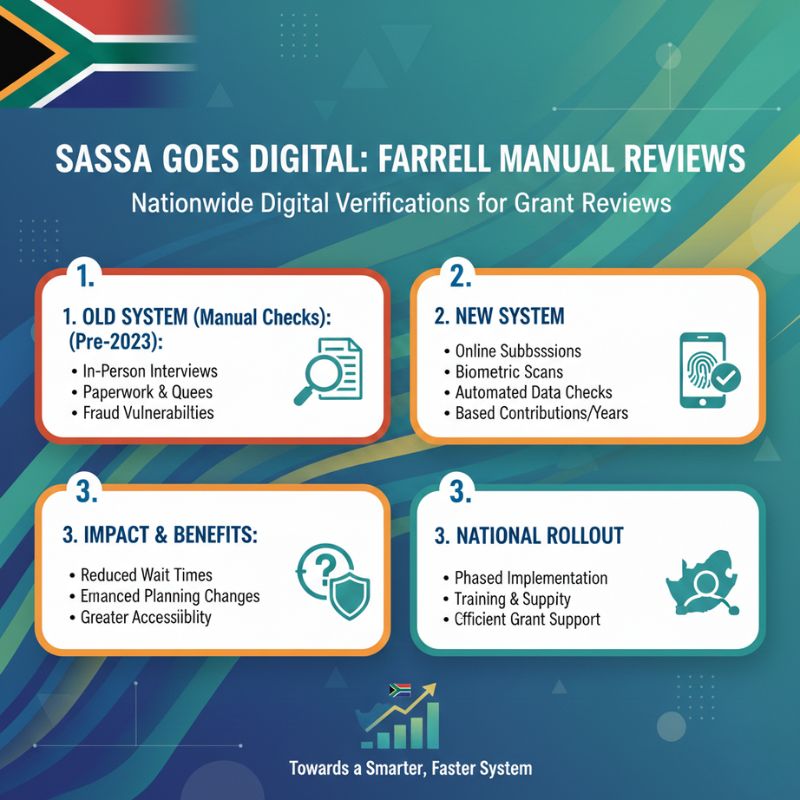
| Aspect | Manual Checks | Digital Verification |
|---|---|---|
| Verification Method | In-person review | Electronic validation |
| Processing Time | Several days or weeks | Faster turnaround |
| Travel Required | Yes | No |
| Error Risk | Higher | Reduced |
| Data Security | Paper-based | Digitally secured |
Frequently Asked Questions (FAQs)
1. Does digital verification stop office visits completely?
No, assisted in-person support is still available when needed.
2. Will my grant be affected during the transition?
Payments are expected to continue as long as details are correct.
3. Is my personal data safe with digital checks?
Yes, SASSA uses protected systems to secure beneficiary information.
4. Do I need internet access to stay verified?
No, alternative support channels exist for those without internet.